Both Apple and Android smartphones come with a built in location service, which also has GPS. Firefox OS, which might have needed this service, is no longer around.
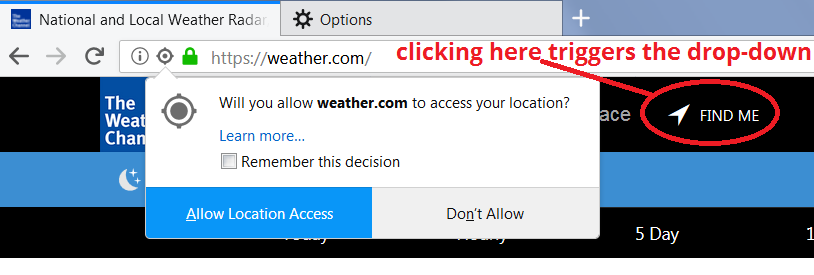
Desktops and laptops are rarely used for navigation - the only uses of the geolocation api for desktop web browsers I've encountered are when you go to a retailer's store finder page, and they have a button to use your current location. And even then, the geolocation api is competing with IP geolocation (which doesn't show the user an ominous consent popup)
And I don't imagine it was easy for Mozilla to get quality data - if their service is mostly used by the most privacy-focussed users, I don't imagine those users were lining up to submit their geolocation and wifi data to a public database.
Geoclue uses MLS and provides location not just on desktops and laptops, but also on phones; and uploading data is (well, was now) one toggle away from being enabled in its config.
Picking language using geolocation is kind of dumb, I hate when google does it and I have to put "&hl=en"into the URL somewhere, often twice before it'll stick.
Did everyone forget there's a standard for this? e.g. my browser sent a "Accept-Language en-US,en;q=0.5" header when it loaded this page.
It's impossible to infer the right language using geolocation information, and in many locations the chance of correctly guessing the native language of a user is extremely small.
Some services, Google for example, ignore this simple fact and as a consequence force major inferior experience and usability. Many people waste considerable amount of time to fix the issues caused by that, with varying degree of success. The solutions usually have limited lifetime, due to changes in the services. So much needless pain.
Perhaps you should travel more? Try using a browser on cloud VMs in different regions, Google, Bing and Amazon will be happy to serve you their services in the language that indeed relevant to their local employees who are busy maintaining the infrastructure running your VM.
They use IP location for that since the geolocation API requires permission. Google does ask for it on mobile for hyperlocal results but it will still localize the services using IP otherwise


Both Apple and Android smartphones come with a built in location service, which also has GPS. Firefox OS, which might have needed this service, is no longer around.
Desktops and laptops are rarely used for navigation - the only uses of the geolocation api for desktop web browsers I've encountered are when you go to a retailer's store finder page, and they have a button to use your current location. And even then, the geolocation api is competing with IP geolocation (which doesn't show the user an ominous consent popup)
And I don't imagine it was easy for Mozilla to get quality data - if their service is mostly used by the most privacy-focussed users, I don't imagine those users were lining up to submit their geolocation and wifi data to a public database.